Charging Valence U27 Lithium Batteries: Bulk, Float, and System Integration for Off-Grid Solar
Valence U27-12XP Lithium Batteries in 24V Off-Grid Systems
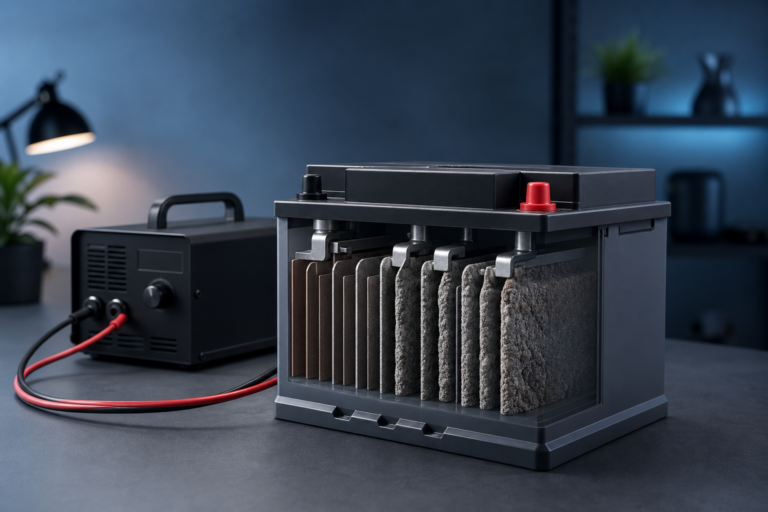
The Valence U27-12XP is a LiFePO4 (lithium iron phosphate) battery module rated at 12V and approximately 130–138Ah capacity per unit. Built with an internal Battery Management System (BMS), these batteries are increasingly popular in off-grid solar installations because they offer higher energy density, longer cycle life, and faster charging compared to traditional lead-acid AGM batteries. If you’re upgrading from an AGM bank to a 24V lithium system using twelve of these modules, understanding proper charging profiles and system configuration is essential for longevity and safety.
Bulk and Absorption Charging for Valence U27 Batteries
Unlike lead-acid batteries, lithium batteries do not follow a traditional three-stage (bulk–absorption–float) charging curve. However, for compatibility with solar charge controllers and inverter-chargers designed for AGM systems, bulk and absorption stages are often programmed with the same target voltage.
24V System Charging Voltages
For a 24V Valence bank (two strings of four batteries in series), configure your charge controller and inverter-charger with these settings:
- Bulk/Absorption Voltage: 28.8V (nominal target). This equals 3.65V per cell and represents 100% state of charge (SOC) for LiFePO4 chemistry. The acceptable range is 28.0V to 29.2V; stay within this to avoid overvoltage damage or excessive heat.
- Absorption Time: 1 to 1.5 hours. Charging stops when current drops to approximately 0.02C (around 2–3A for a 130Ah bank). Shorter absorption times (0.5–1 hour) are often preferred for lithium to minimize stress on cells.
- Float Voltage: 27.0V to 27.2V (nominal). This is maintained after absorption is complete. Importantly, LiFePO4 batteries should not remain at float voltage for extended periods like lead-acid batteries; many systems reduce float voltage to 26.8V or lower during night hours or when the battery is fully charged.
Charge Rate Limits
Valence U27 batteries can accept charge at up to C/2 (approximately 70A for a 130Ah module) without damage. However, in a two-string configuration totaling 520Ah at 24V, charging current must be managed to avoid exceeding the maximum rate per string. For your 2.5kW PV array and dual Xantrex 60A PWM controllers, this rate should be well within limits during peak solar generation.
Balancing: Passive vs. Active and Role of the Internal BMS
Valence U27 batteries include a built-in passive cell-balancing BMS. This means you do not need an external active balancer. However, understanding how passive balancing works helps you maintain pack health.
How Passive Balancing Works
The internal BMS monitors individual cell voltages and bleeds excess charge from higher-voltage cells as a resistive load during charging, typically kicking in when cells reach 70–80% state of charge. This prevents any single cell from overcharging and ensures all cells remain at similar voltages. Passive balancing is less efficient than active balancing (it dissipates energy as heat) but is simpler, more reliable, and sufficient for properly matched factory cells like those in Valence modules.
Best Practices for Your Setup
- Pre-balance before series connection: Before connecting your eight batteries in two strings of four, charge each unit individually to 100% SOC (approximately 14.6V for a 12V module) and allow the internal BMS to complete its balancing cycle. This ensures all cells start at the same voltage level, preventing early imbalance downstream.
- Full charge cycle weekly: The Valence internal BMS balances most effectively during charging above 80% SOC. Aim to fully charge your 24V bank at least once per week—once weekly from a solar perspective is realistic for most off-grid systems in good sun.
- Annual voltage inspection: Every 12 months, measure the resting voltage (after 24 hours without charge or discharge) across each battery module. Modules should fall within 0.2V of each other. If one battery drifts significantly, the cell balance may be degrading, signaling it’s time for professional assessment.
Integrating with Your Outback Power and Xantrex Controllers
Your system includes an Outback 3.5kW inverter-charger and two Xantrex 60A PWM charge controllers. Configuring these devices correctly is critical to ensuring they work together safely and efficiently without causing voltage conflicts.
Controller Priority and Voltage Stacking
When multiple chargers operate simultaneously (solar controller + inverter-charger in dual-input mode), voltage conflicts can occur. Outback Power recommends setting the inverter-charger voltage parameters 0.4V lower than the solar charge controller to give the controller priority. This prevents the inverter from trying to absorb when the solar controller is still in bulk.
Recommended configuration:
- Xantrex PWM controllers (2× 60A): Bulk/Absorption = 28.8V, Float = 27.2V, Absorption time = 1 hour
- Outback inverter-charger: Bulk/Absorption = 28.4V, Float = 26.8V, Absorption time = 1.5 hours
Xantrex PWM Controller Setup
Xantrex PWM controllers are field-configurable for 12V or 24V operation. Your dual 60A units should be configured as follows:
- Set voltage system: 24V
- Battery type: Lithium (if available); otherwise, use custom and enter the voltages above
- Charge rate: Default to auto-limiting based on PV array and battery state. The controller will not exceed the battery’s ability to accept current.
- Temperature compensation: If your installation experiences wide temperature swings (especially in cold climates), enable temperature compensation and enter your battery location’s average temperature. Lithium charging profiles shift slightly with temperature.
Outback Inverter-Charger Configuration
Access the Outback configuration menu (typically via the OutBack MATE³ display or direct programming):
- Set system voltage: 24V
- Battery type: Custom lithium (or Lithium Iron, if available in your firmware version)
- Input source priority: Grid/generator input first, solar second (adjust based on your preference)
- Charge settings: Min voltage 22.4V, Max voltage 28.4V, Float 26.8V, Absorption 1.5 hours
- Charger current limit: Set to 60A if your generator can support it; lower if your backup generator is smaller
Configuring Your 24V String Setup
With twelve 12V batteries, you have two main configuration options:
Option 1: Two Strings of Four (Recommended)
Wire four batteries in series (12V + 12V + 12V + 12V = 48V nominal) to create one string, then parallel two such strings. This gives you a 24V nominal system (48V/2) with 260Ah per string and 260Ah total usable capacity (not 520Ah—capacity does not add when strings are paralleled, but voltage is halved). This configuration balances current draw and simplifies cell balancing because each string operates independently, with internal BMS in each battery handling individual cell balance within that string.
Option 2: Single String of Four (Alternative)
If you prefer a single 24V string, connect four batteries in series and reserve the other eight for future expansion or your e-outboard project. A single string simplifies wiring and control but offers only 130Ah (one battery’s capacity) until you add more batteries in parallel.
Parallel String Balancing
When two strings operate in parallel, the internal BMS in each battery keeps cells balanced within that string. However, if one string’s voltage drifts higher than the other during charging, current will flow between them until balanced. This is normal and healthy. Monitor each string’s resting voltage monthly to confirm they’re tracking together.
Practical Setup Steps
- Pre-charge each battery individually to 14.6V using a 12V lithium charger or a power supply, then let rest for 24 hours. Record the resting voltage of each.
- Verify all batteries are within 0.2V of each other before connecting in series. If any battery is significantly different, investigate or replace it.
- Connect the two strings in parallel using properly sized fuses and breakers (typically 150A DC breakers for a 260Ah string), with one fuse/breaker per string.
- Program your Xantrex and Outback controllers using the voltage settings outlined above, starting with the solar controller at 28.8V and the inverter at 28.4V.
- Test under load: run the inverter from the battery to confirm it’s drawing current correctly, then test charging from solar and/or generator to confirm the controllers are responding to the battery state.
- Log baseline data: record resting voltage, minimum voltage during discharge, and peak voltage after charging for your first week. This gives you a reference for future diagnostics.
Monitoring and Maintenance
Lithium batteries require far less maintenance than AGM, but a few annual checks ensure longevity:
- Monthly: Visually inspect for any swelling, corrosion at terminals, or loose connections.
- Quarterly: Measure the resting voltage (after 24 hours with no charge/discharge) across each battery to confirm balancing is working. Log the values.
- Annually: Full voltage and capacity check. Charge to 100%, rest 24 hours, measure every battery, and compare to your baseline.
- If balancing drifts: Check for loose interconnects (high resistance causes voltage drop). If one battery consistently runs 0.3V+ higher or lower than others, contact Valence or a lithium battery specialist.
Avoiding Common Pitfalls
- Overvoltage: Programming float or absorption above 29.2V for a 24V bank risks cell damage. Double-check your controller settings after any configuration change.
- Extended float at high voltage: LiFePO4 cells degrade faster if held at full charge (>3.6V per cell) for weeks. Use lower float voltages (26.8V or lower) during inactive periods, or disconnect entirely if the bank won’t be used for extended time.
- Ignoring temperature compensation: If your batteries sit in a cold shed or hot garage, enable temperature compensation on your controllers to prevent undercharging in cold weather or overvoltage in heat.
- Overloading the charge controller: If you add more PV panels later, ensure your total PV current does not exceed the Xantrex 60A rating per controller. Excess current can damage the controller.
Conclusion
Valence U27 lithium batteries are well-suited to off-grid systems with good solar resources. By setting bulk/absorption to 28.8V, float to 27–27.2V, and configuring your Outback and Xantrex controllers with proper voltage stacking, you’ll achieve efficient charging, stable system operation, and long battery life. The internal BMS in each module handles cell balancing automatically; your role is to maintain consistent charging profiles and monitor for drift annually. Your planned two-string-of-four configuration will give you flexibility, redundancy, and room to grow—ideal for a hybrid solar and backup-generator system.
Sources
- diysolarforum.com
- evlithium.com
- batteryuniversity.com
- outbackpower.com
- outbackpower.com
- large-battery.com
- fortresspower.com
- xantrex.com