Crisbow Cheetah Mark 4 Crossbow: Specs, Maintenance, and Vintage Care
Crisbow Cheetah Mark 4: History and Background
The Crisbow Cheetah Mark 4 is a vintage crossbow manufactured in South Africa during the 1980s and 1990s. It became particularly popular in Australia during this era, where it earned a reputation as a robust, well-engineered alternative to more heavily marketed brands. The Crisbow name itself reflects the design philosophy: machines built to last, with solid construction and straightforward mechanics that have helped many examples survive decades of storage and occasional use.
Velocity and Performance Specifications
The Crisbow Cheetah Mark 4 carries a 150-pound draw weight and is rated at 270 feet per second (fps). However, this figure warrants scrutiny. Actual velocity depends on bolt weight, draw weight consistency, and the condition of the string and limbs after decades of storage. Field experience suggests velocity typically runs 240-260 fps under real-world conditions, particularly as the spring steel in the limbs gradually loses elasticity over time.
Early velocity ratings were often measured under ideal laboratory conditions: brand-new strings, bolts of exact specification, and limbs in pristine condition. A forty-year-old crossbow, even well-stored, will rarely achieve those peak figures.
Understanding Limb Binding and Spring Alloy Fatigue
The original poster’s concern about limb binding is well-founded. Crossbow limbs are typically made from spring steel, a high-silicon alloy engineered to flex thousands of times without permanent deformation. Over decades, the molecular structure gradually weakens. Cycles of expansion and contraction from temperature and humidity changes accelerate this degradation.
Limb binding—wrapping the limbs with athletic tape, fiberglass tape, or specialized binding wrap—serves two purposes. First, it reinforces the outer surface and slows the propagation of micro-cracks. Second, it contains fragments if a catastrophic failure does occur, preventing sharp pieces from becoming dangerous projectiles. It does not stop fatigue; it buys time and adds a safety margin.
The binding works best when applied in overlapping spiral wraps from the base of the limb to near the tip, leaving the very tip and the connection point untaped. Replace binding every few years or when you notice cracks forming.
Storage and Environmental Care
Temperature fluctuations are the primary enemy of vintage crossbows. Spring steel is most stable in a cool, dry environment with minimal seasonal swings. Humidity accelerates rust on metal components and can cause the wood riser to swell and warp.
Store the Crisbow in a hard-shell case, uncocked if the design allows. Keep it away from direct sunlight, radiators, and damp basements. A desiccant pack inside the case helps manage moisture. Every six months, open the case, inspect for any surface corrosion, apply a light coat of rust-inhibiting oil to metal parts, and check all bolts and screws for tightness—vibration from age can loosen hardware even in storage.
If you do shoot the crossbow, always allow it to rest in the uncocked position between sessions. Leaving it cocked accelerates limb fatigue.
String and Cable Maintenance
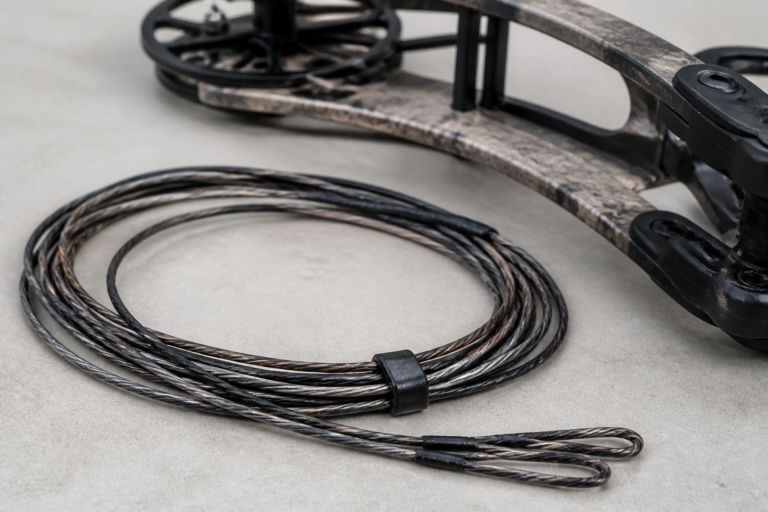
The string is as critical as the limbs. Original strings on 1980s crossbows are almost certainly compromised. Fraying, loss of wax, and dry rot are common. Replace the string before regular shooting. Modern crossbow strings are stronger and more stable than vintage originals, so this upgrade actually improves safety and consistency.
After any shooting session, check the string and cables for fraying. Wax the string every few months if in use, or annually if stored. A slightly tacky string indicates good wax coverage; a dry, fuzzy string is a sign that replacement is urgent.
Crisbow Versus Barnett: The 1980s Market Context
The Barnett brand dominated crossbow marketing in the 1980s through aggressive advertising and wider retail distribution. Crisbow, by contrast, was a smaller manufacturer with less visibility. Field reports from that era suggest Crisbow offered better materials and tighter tolerances than entry-level Barnett models of the same price point. Many shooters who owned both reported that Crisbow limbs held their curve longer and were less prone to uneven wear.
This advantage stemmed from Crisbow’s South African origin and manufacturing standards, which emphasized durability over cost-cutting. Barnett’s broader market reach eventually made replacement parts and strings easier to find, but for raw longevity, Crisbow held its own.
When to Stop Using a Vintage Crisbow
If you notice visible cracks in the limbs, deep gouges, or a change in draw weight across successive shots, the crossbow should not be fired. A cracked or fatigued limb can fail suddenly, and the bolt release is under several thousand pounds of energy. Binding can extend the safe lifespan, but it cannot resurrect a severely compromised limb.
Surface cracks confined to the binding wrap are less urgent and can be monitored. Cracks running through the limb material itself warrant immediate retirement from shooting, though the crossbow may still serve as a collectible or a parts donor.